
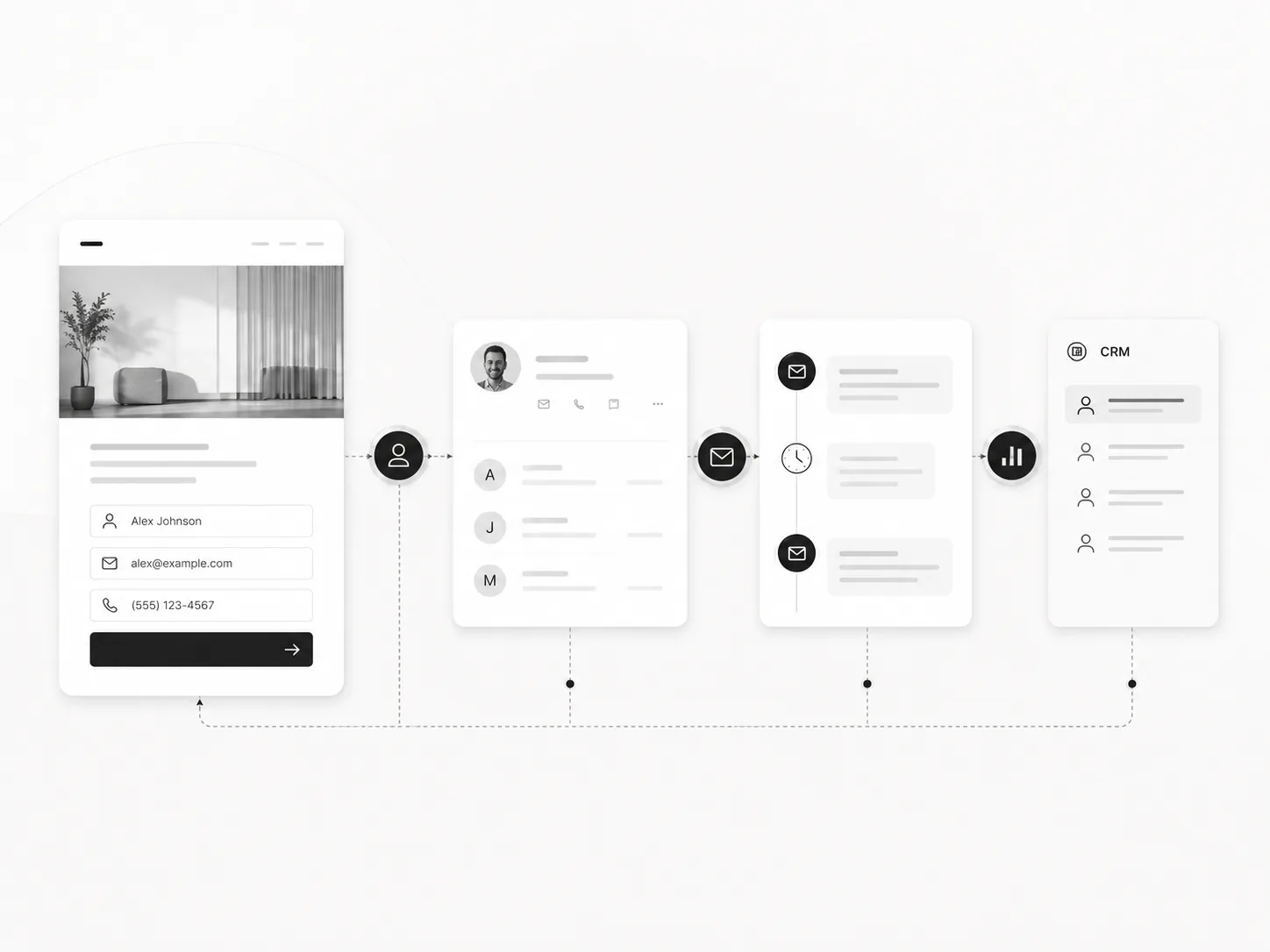
Capture
How interest enters the system.
Revenue Operations Automation
I connect the revenue operations around lead capture, CRM, qualification, routing, follow-up, booking, proposals, pipeline movement, and reporting so interest has a clear path forward.
Map the path from first touch to close, align CRM ownership and lifecycle stages, then automate qualification, routing, follow-up, handoffs, proposals, and reporting around the points where momentum usually drops.
The goal is a revenue process that keeps moving without hiding the exceptions that still need judgment.
What I build
Connect websites, forms, Meta Ads, Google Ads, referrals, and other lead sources to CRM with source, campaign context, ownership, and the next action attached from the start.
Use form answers, CRM data, enrichment, business rules, and AI-assisted interpretation to decide which leads need attention, which path they enter, and who owns the follow-up.
Build reminders, booking, proposals, stage changes, reactivation, handoffs, and exceptions so pipeline movement is not dependent on manual memory.
Connect activity and outcome data back to the system so the team can see where leads come from, where momentum drops, what converts, and what needs attention.
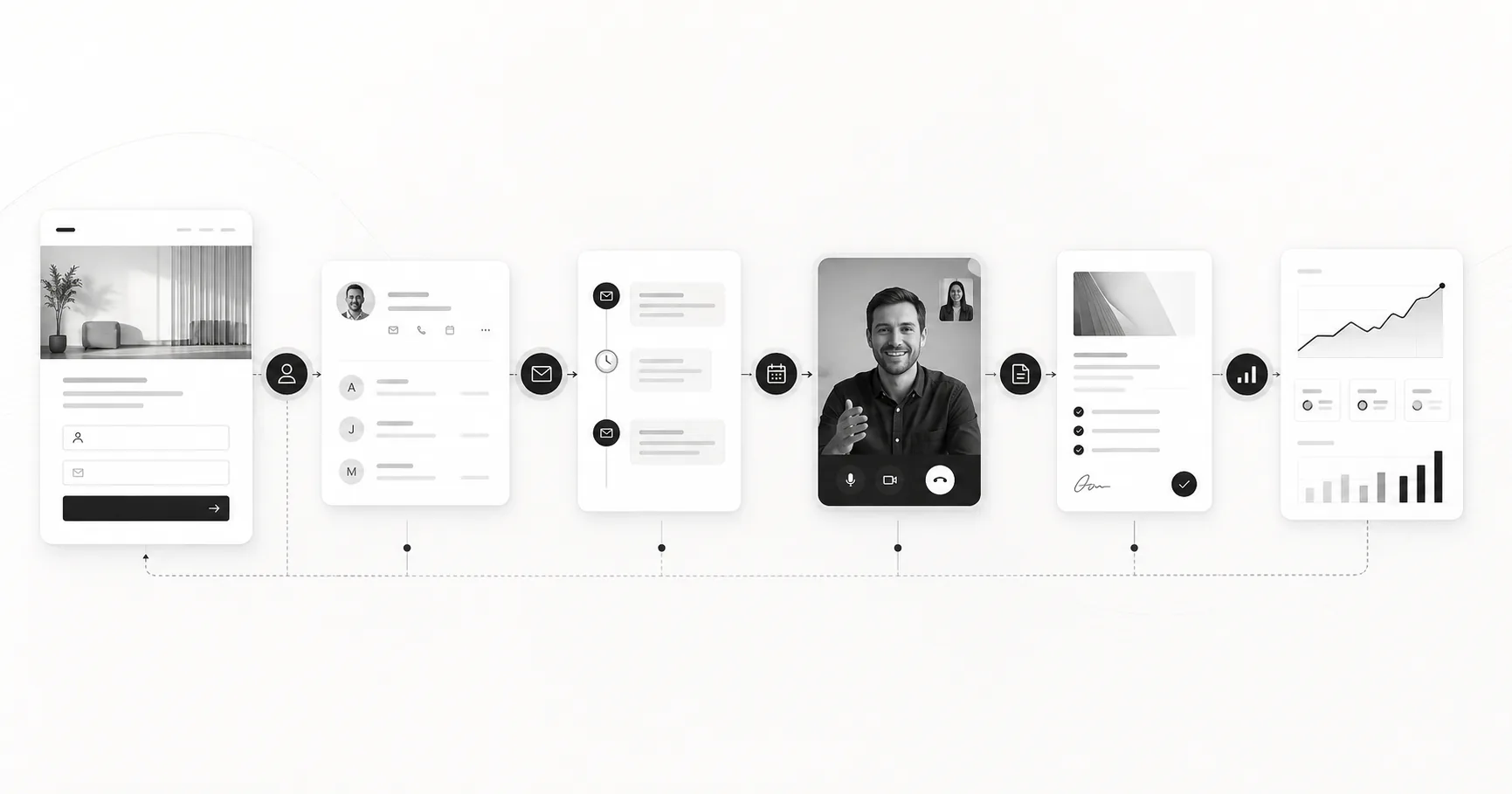
How interest enters the system.
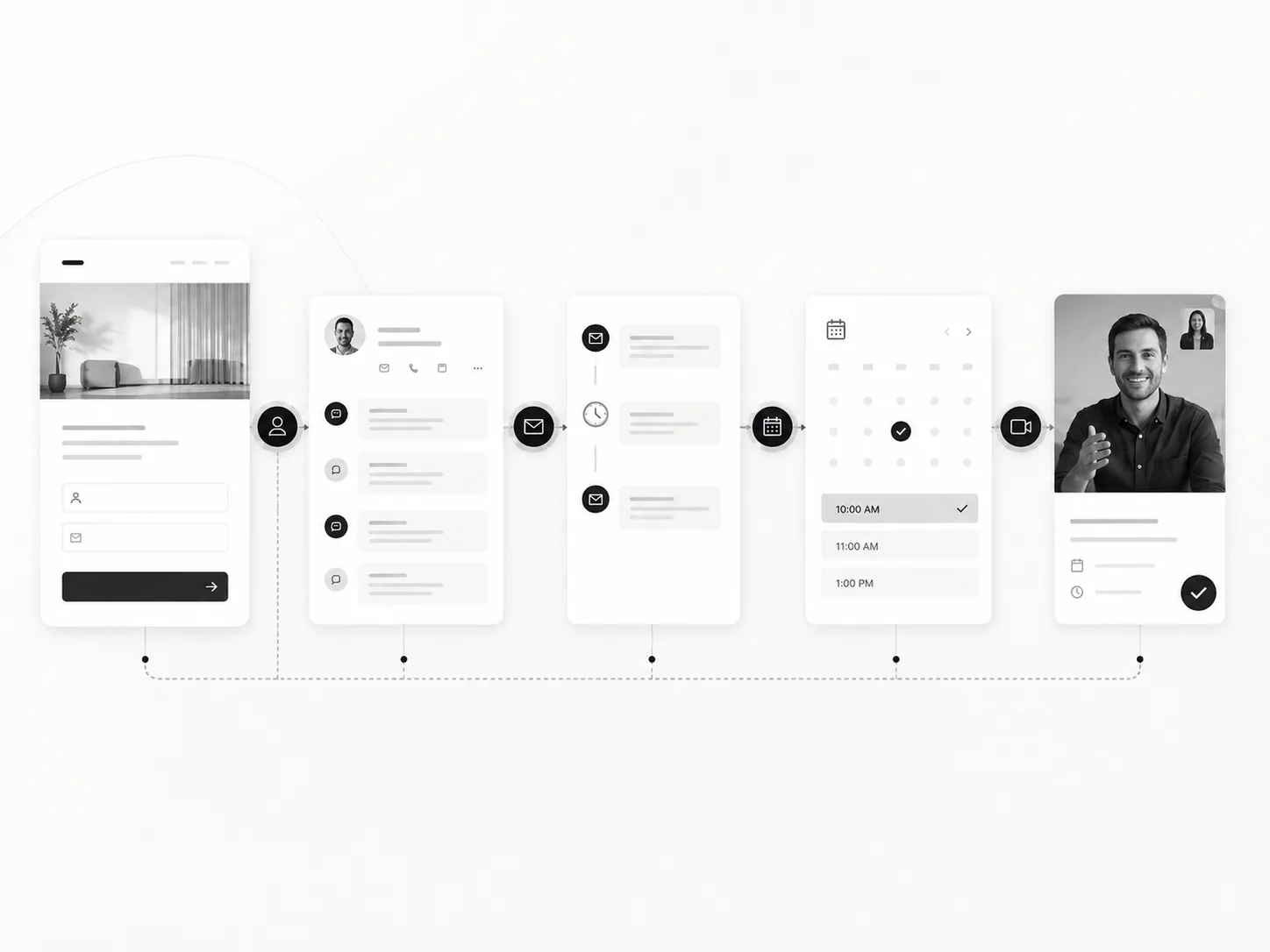
How leads keep moving.
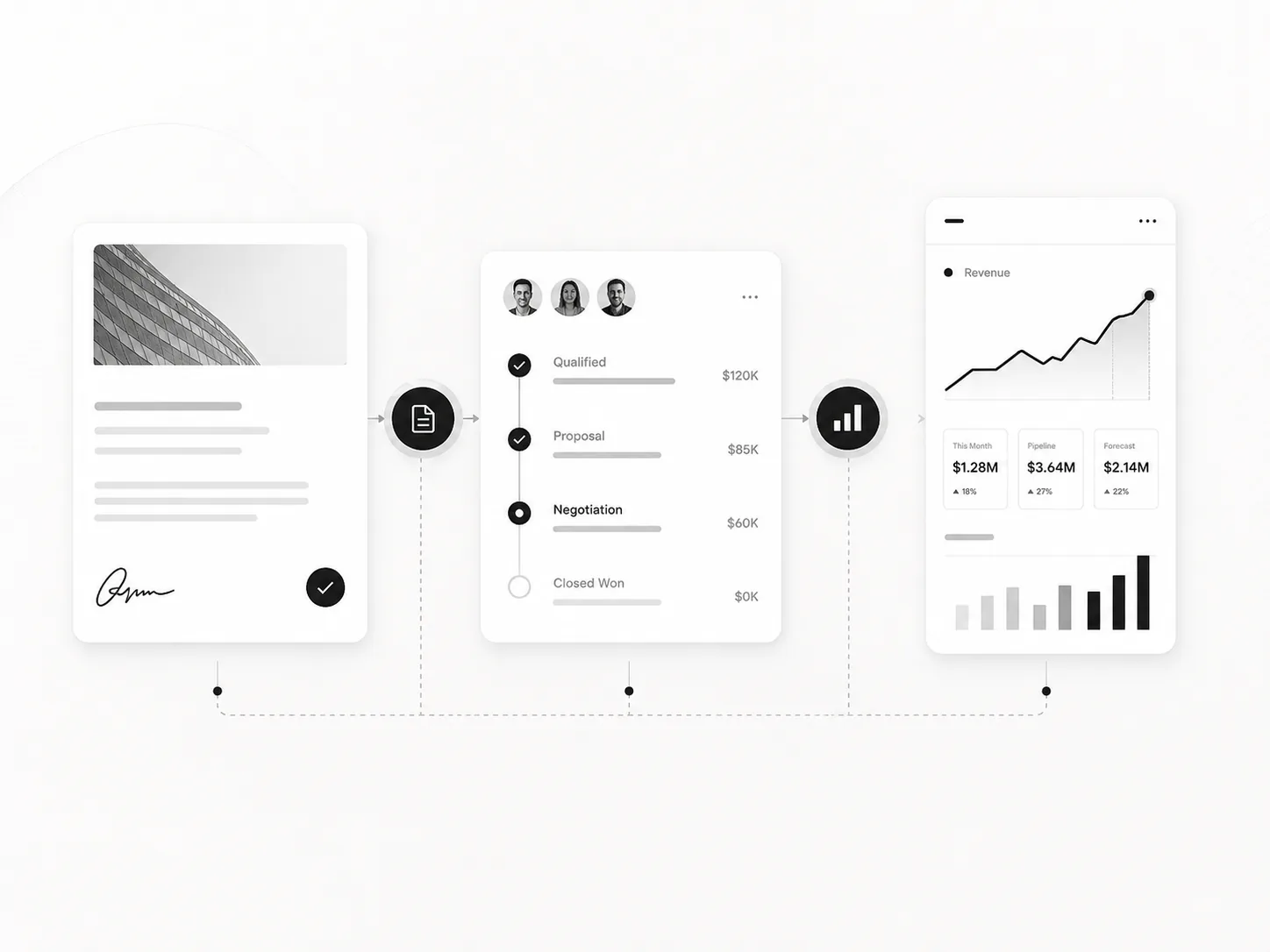
How revenue becomes measurable.
Evidence from real work
My public case studies show both sides of the revenue path. Lead intake connects the first inquiry to tracking, call handling, CRM, and follow-up. C4I shows the operating layer behind continued movement: 4 pipelines, 19 workflows, 5 calendar groups, onboarding, support, and follow-up.
FAQ
Revenue operations automation connects the repeated work around marketing, CRM, sales, and reporting so lead data, ownership, follow-up, pipeline movement, and outcomes stay connected across the customer journey.
CRM automation focuses on the record and workflows inside or around the CRM. RevOps is wider: it connects acquisition, qualification, sales activity, booking, proposals, pipeline stages, reporting, and the systems that feed or consume CRM data.
Yes. Lead form data can enter CRM with source context, then business rules, enrichment, scoring, or AI-assisted interpretation can route the lead to the correct owner and follow-up path.
It helps when marketing, sales, and operations lose context between tools: leads arrive without source data, ownership is unclear, follow-up is inconsistent, pipeline stages become stale, handoffs depend on memory, or reporting cannot connect activity to outcomes.
The handoff should preserve the source, campaign, qualification context, lifecycle stage, owner, and next action. RevOps automation keeps those signals attached as a lead moves from acquisition into CRM, sales follow-up, booking, proposal, and reporting.