
Sales Automation Consultant
Sales automation that keeps momentum visible.
I build AI sales automation around qualification, follow-up, meetings, proposals, pipeline movement, and reporting without making the buyer experience feel automated.
What sales automation should do.
Selling is still conversation, judgment, and timing. Automation removes the administrative work around those moments: qualifying intent, preparing context, creating follow-up, moving opportunities, handling proposals, and keeping performance visible.
The system should make a good salesperson more consistent, not make the buyer feel like they are talking to a workflow.
Qualification
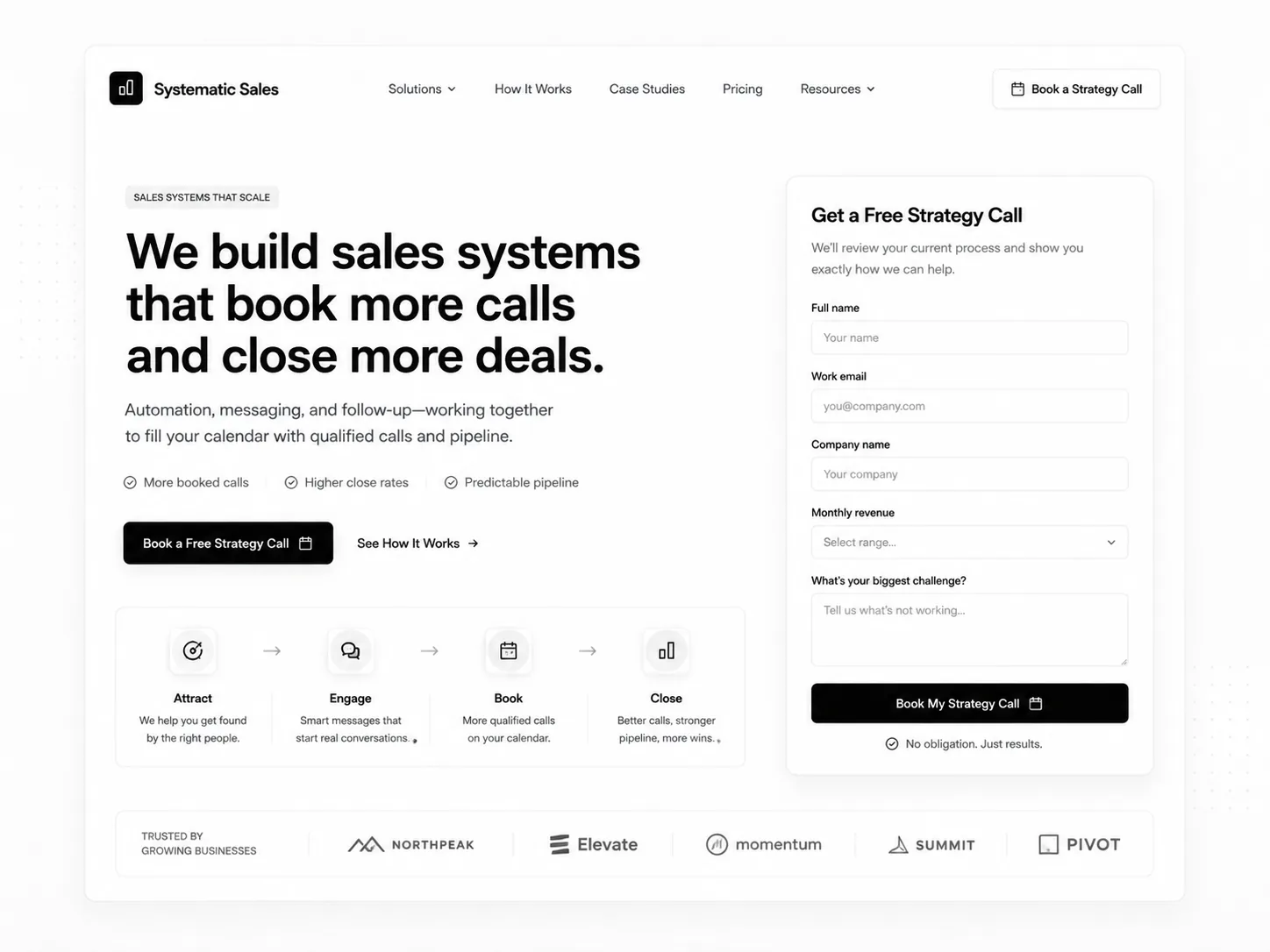
Interest should arrive with enough context to decide what deserves attention. Forms, source data, fit signals, and routing can narrow the noise before a salesperson ever opens the record.
Conversations
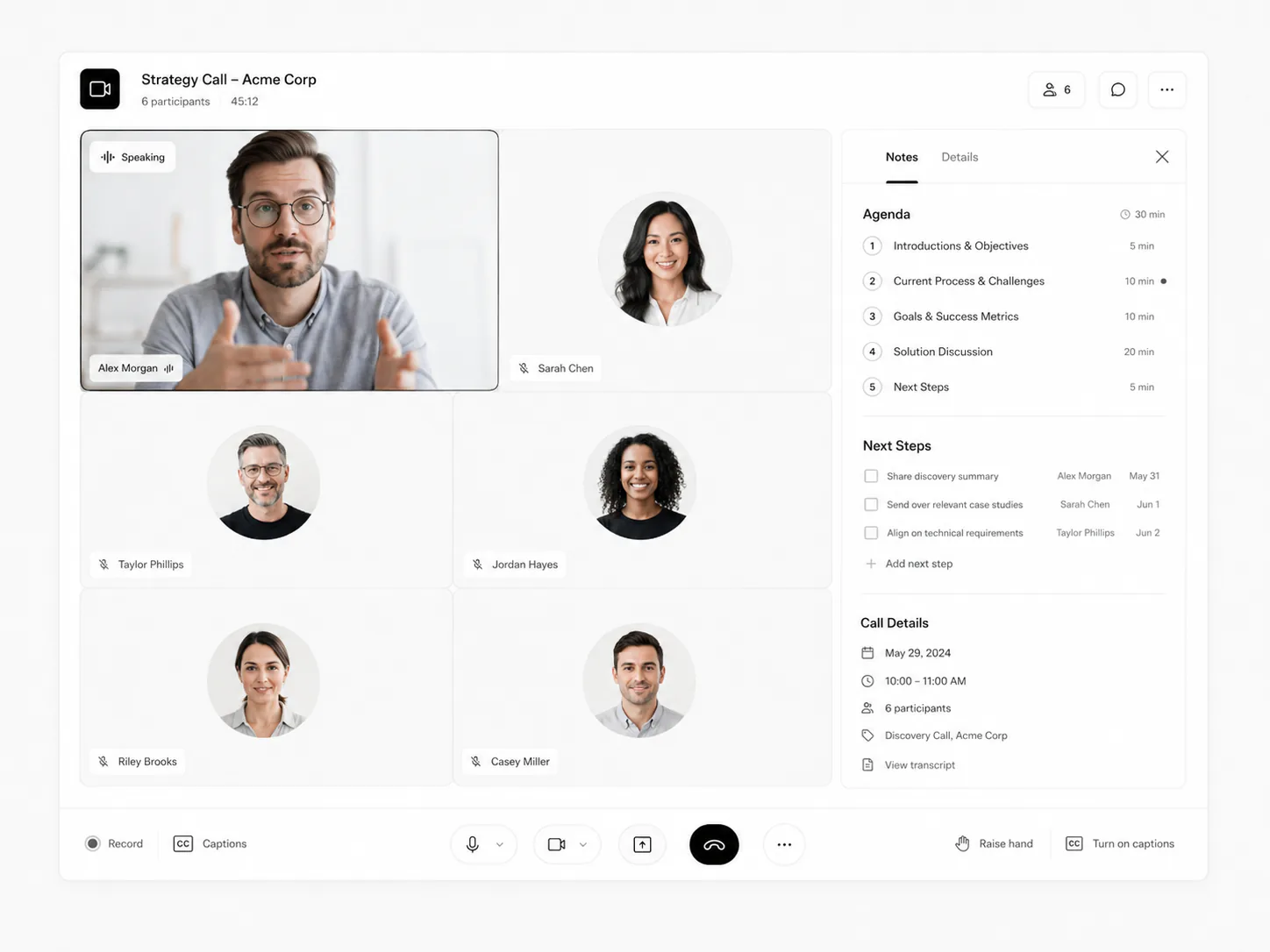
The meeting is still human. The system makes sure the person arrives with context, the call has a clear purpose, and the outcome becomes a next step instead of disappearing into notes.
Follow-through
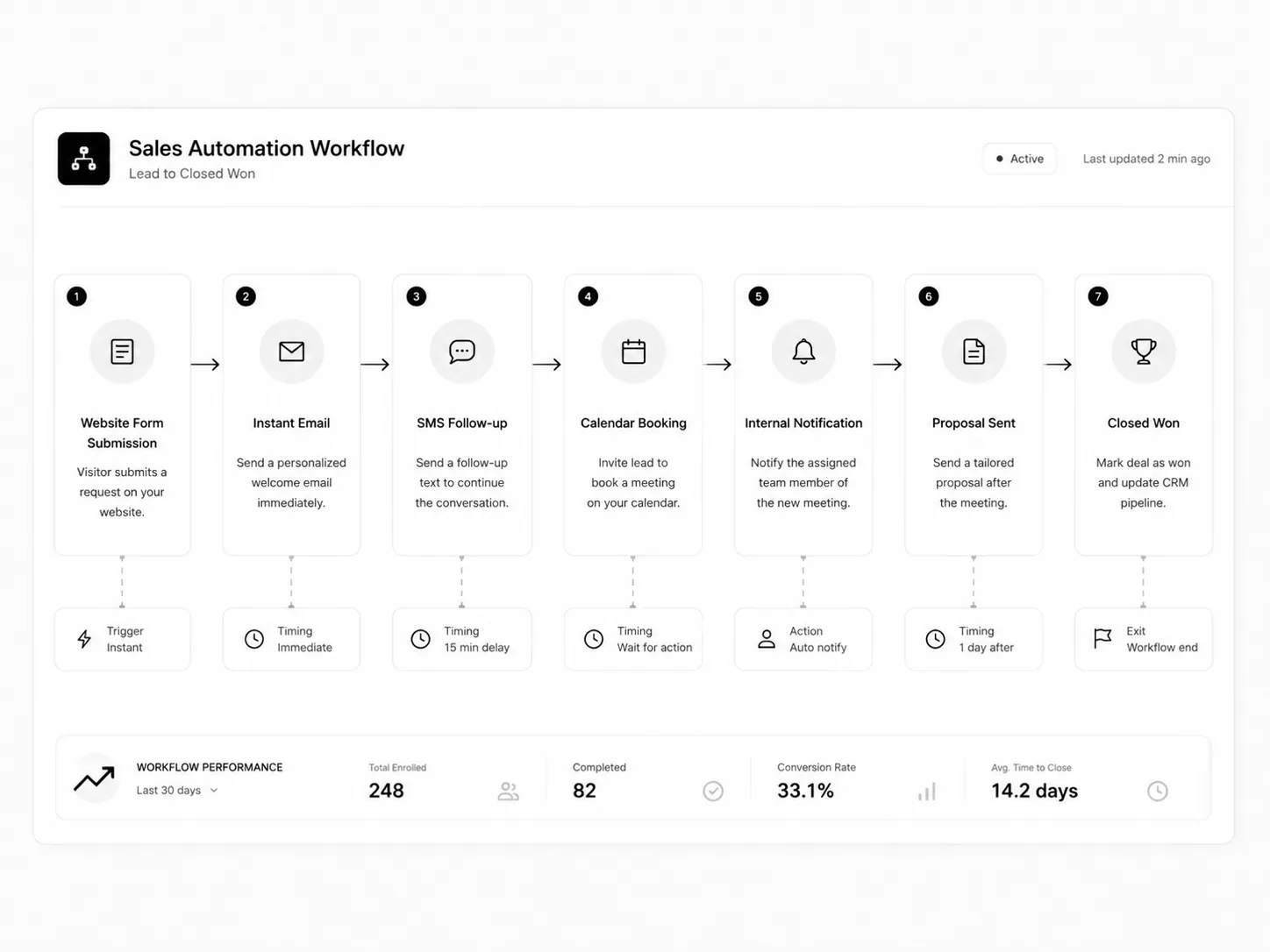
After the conversation, the routine work should move on its own: tasks, reminders, stage changes, follow-up, internal handoffs, and the exceptions that need a person.
Proposal and close
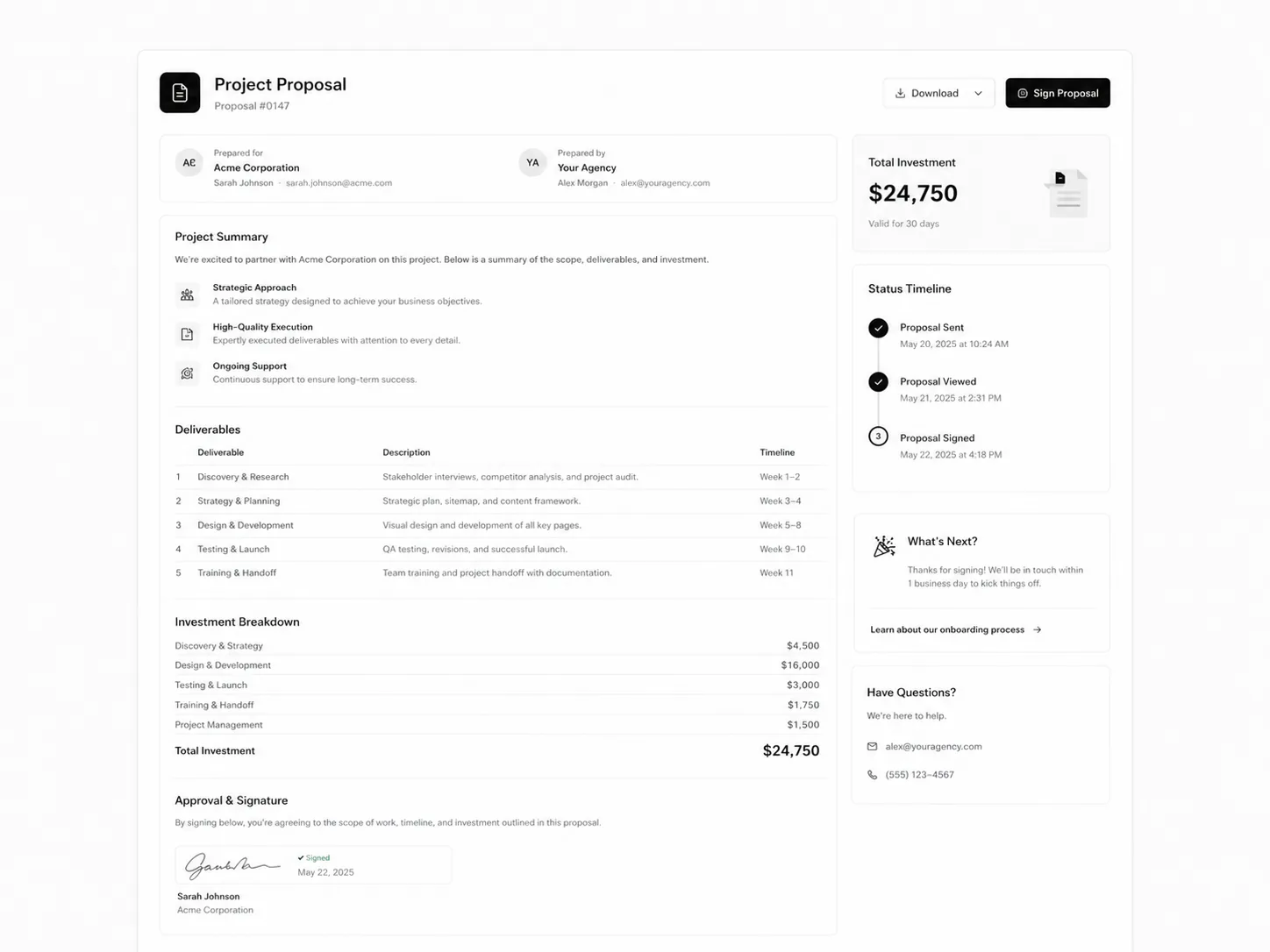
Scope, pricing, approval, signature, and status should stay attached to the opportunity. The proposal is part of the sales process, not a document floating outside it.
Context anywhere
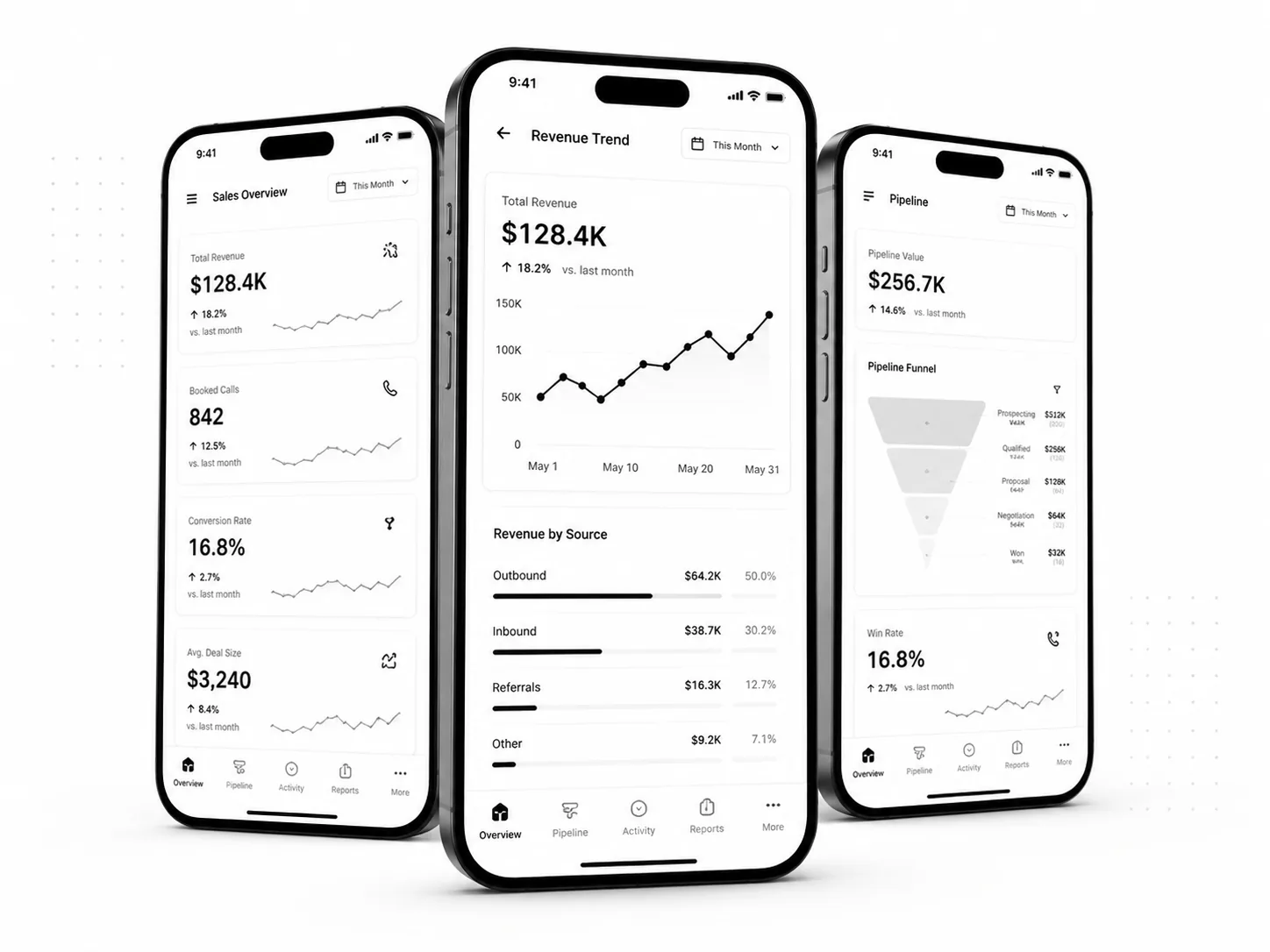
A salesperson should be able to see what matters without returning to a desktop dashboard for every answer. Mobile visibility keeps the next action close to the conversation.
Performance
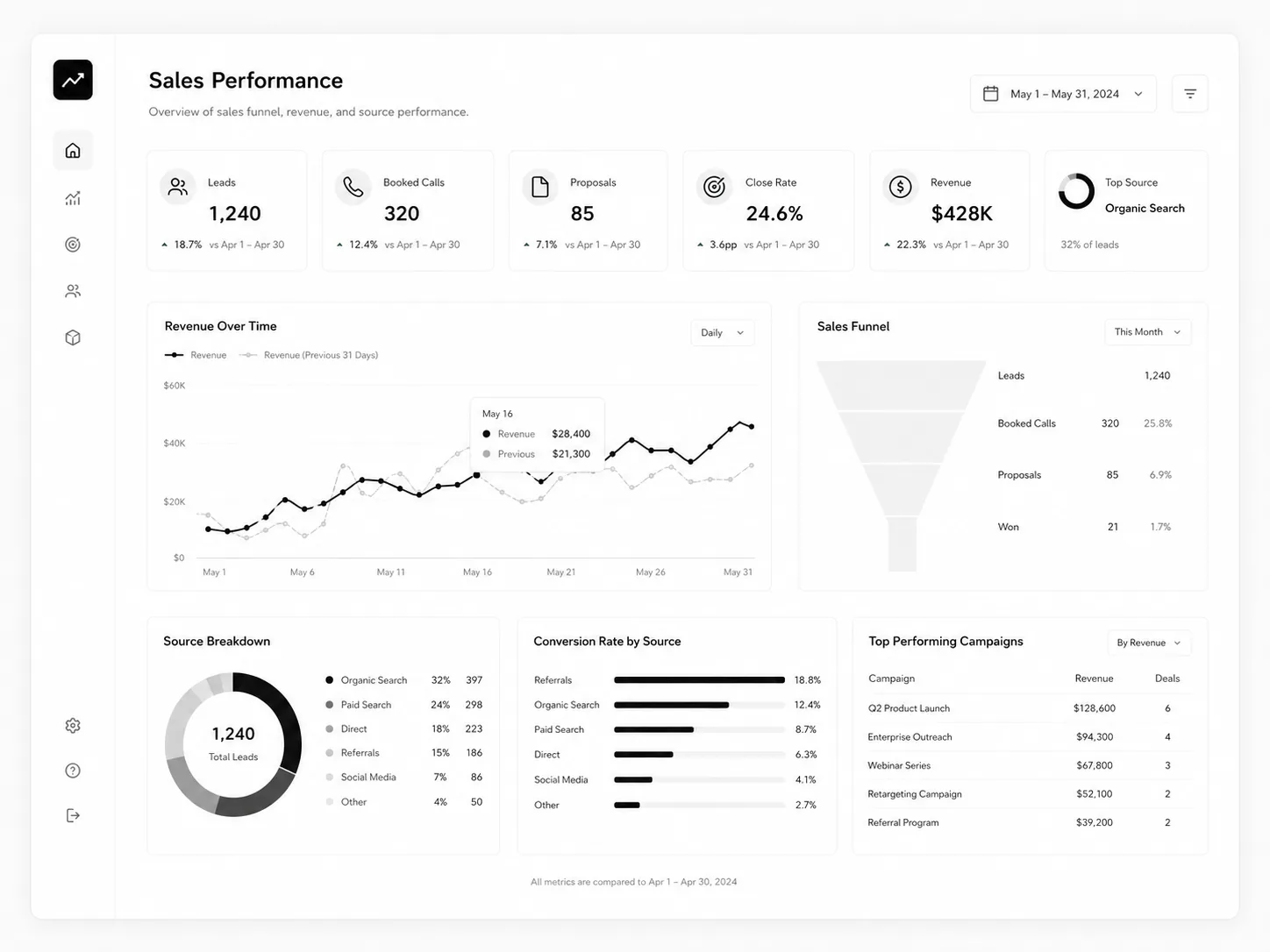
The system should make the sales motion measurable while it is happening: lead source, booked calls, proposals, conversion, revenue, and the points where momentum is being lost.
How I approach it
Map the sales motion first, automate the administrative work around key moments, then measure where leads lose momentum and where a person still needs to step in.
Evidence from real work
The lead intake system connects inquiry capture, call handling, CRM ownership, and follow-up. The lead activity enrichment workflow adds recent social activity beside existing lead records so the outreach team has better context before deciding who to contact first.