
AI SEO Automation Workflows
SEO automation that turns search work into a connected system.
I build AI SEO automation workflows around research, technical checks, on-page work, internal linking, Search Console monitoring, and reporting so recurring search work feeds the next decision.
SEO automation is an operating layer, not push-button SEO.
Keyword research, technical checks, page optimization, content planning, internal links, Search Console, local visibility, links, and AI search each create recurring signals. Automation helps collect, compare, prioritize, and monitor them without pretending the strategy can be automated away.
The strategy still comes from deciding what is worth ranking for and what a genuinely useful page should say.
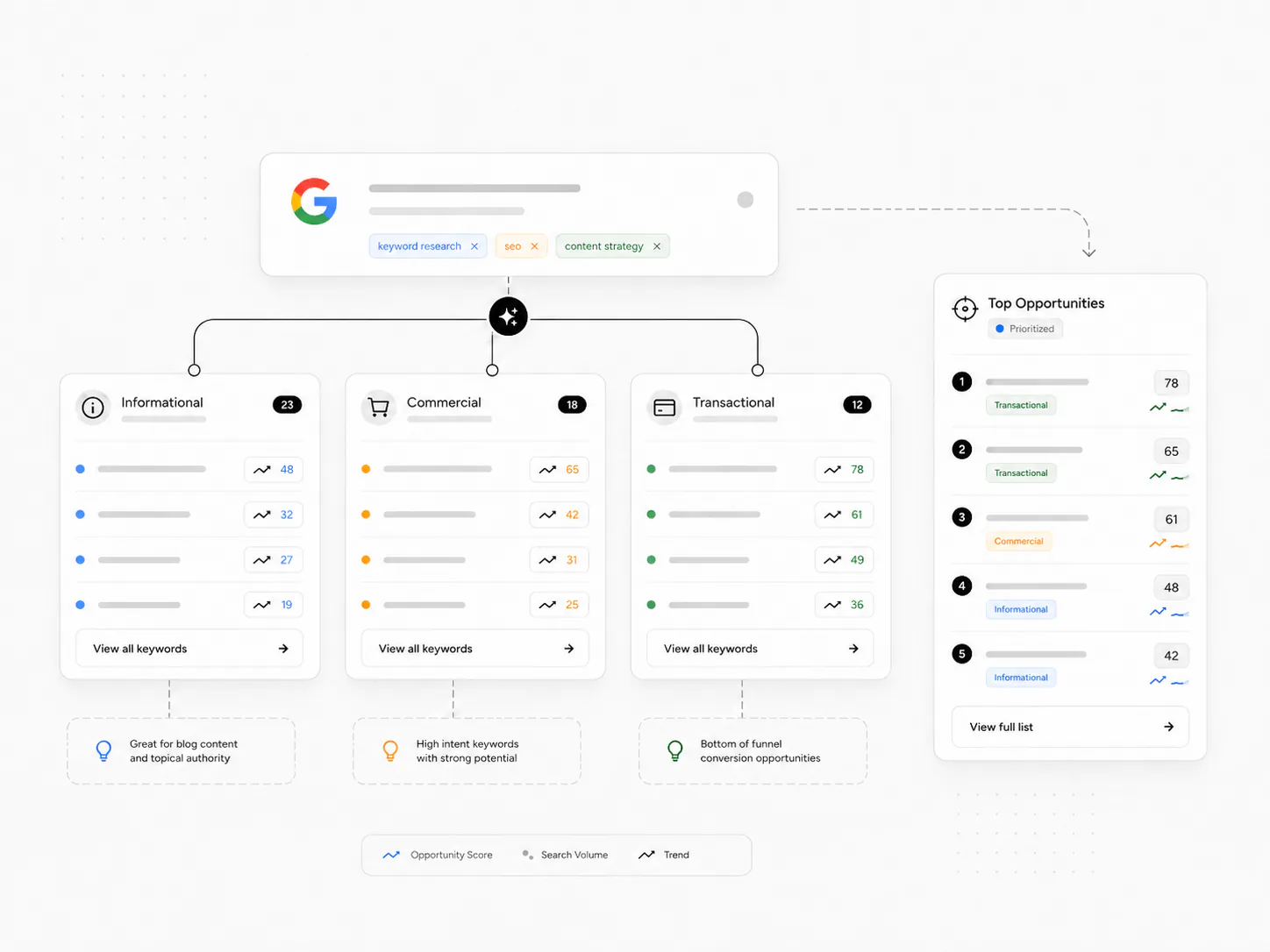
Keyword research
Search demand is useful only when it turns into direction. Keywords should be grouped by intent, opportunity, business value, and the page or topic that can realistically answer the search.
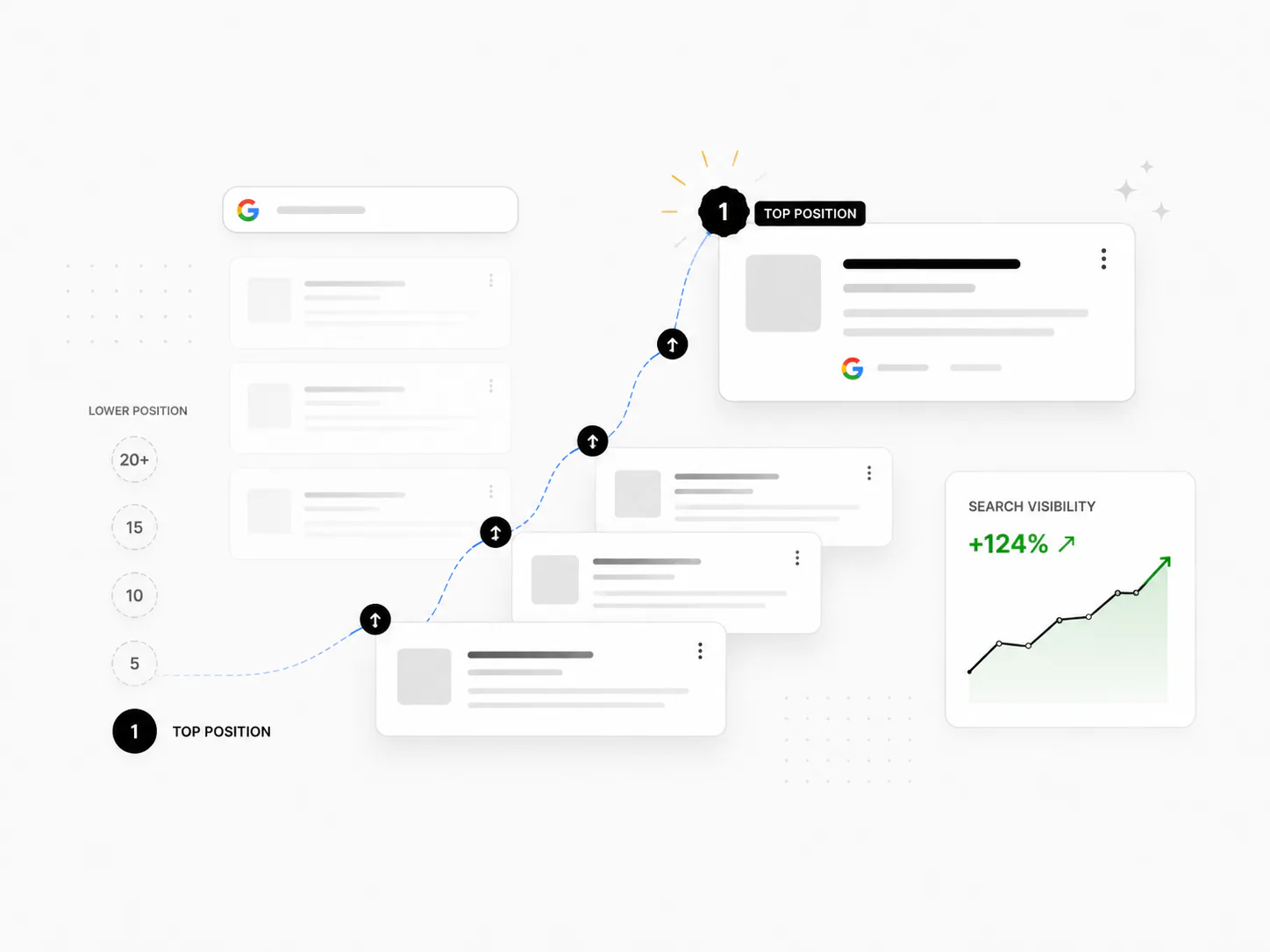
Search visibility
Rankings are not one number. Visibility should show which topics are appearing, where movement is happening, and where the site is still absent from the conversations that matter.
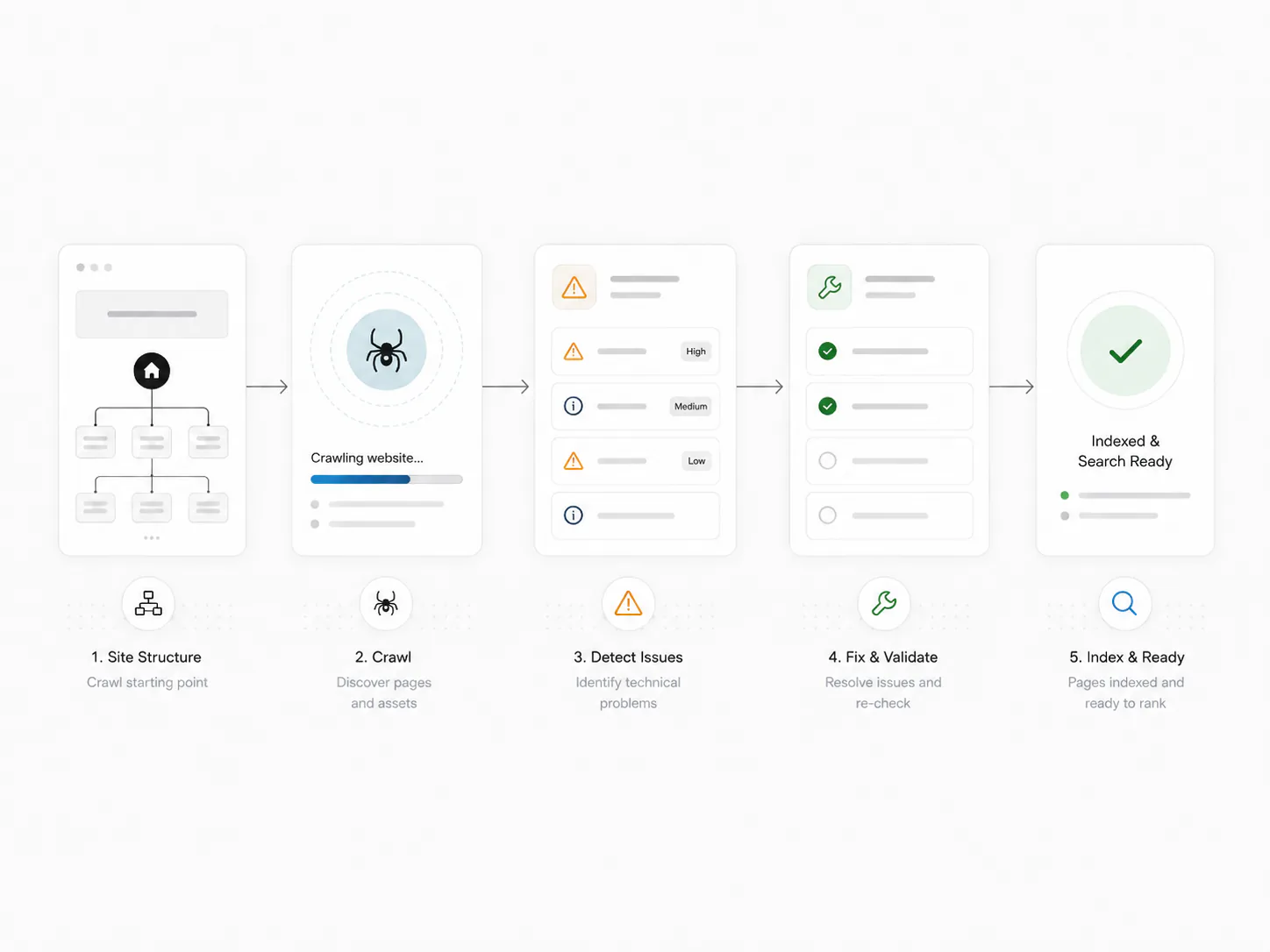
Technical clarity
Crawling, indexing, broken paths, metadata, performance, canonicals, and structured data create recurring checks. Automation makes those checks repeatable so technical problems are found before they quietly accumulate.
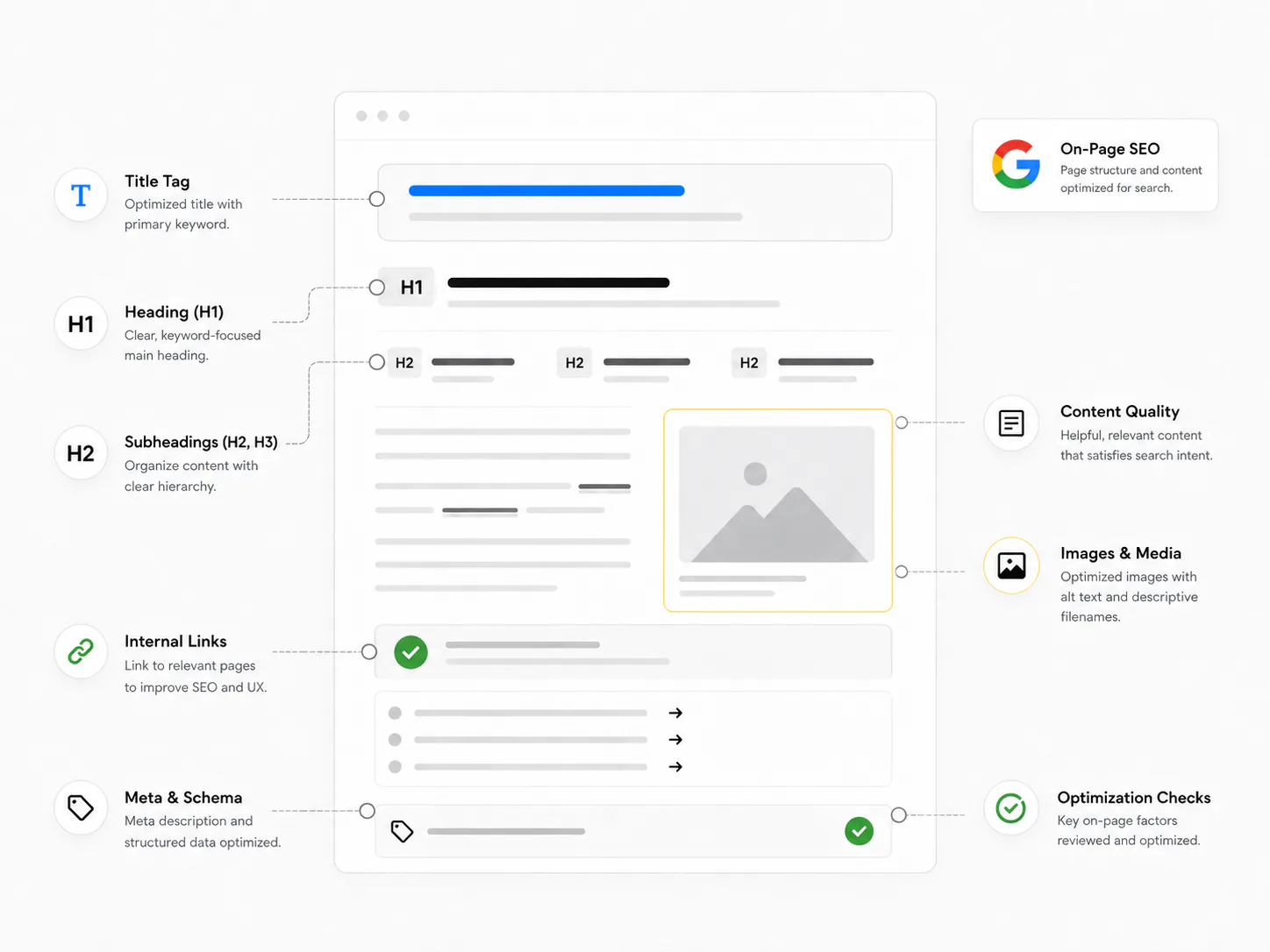
On-page understanding
A page should make its subject obvious to a reader and a search engine. Headings, copy, metadata, schema, media, and internal links should reinforce the same purpose without turning the page into keyword stuffing.
Content planning
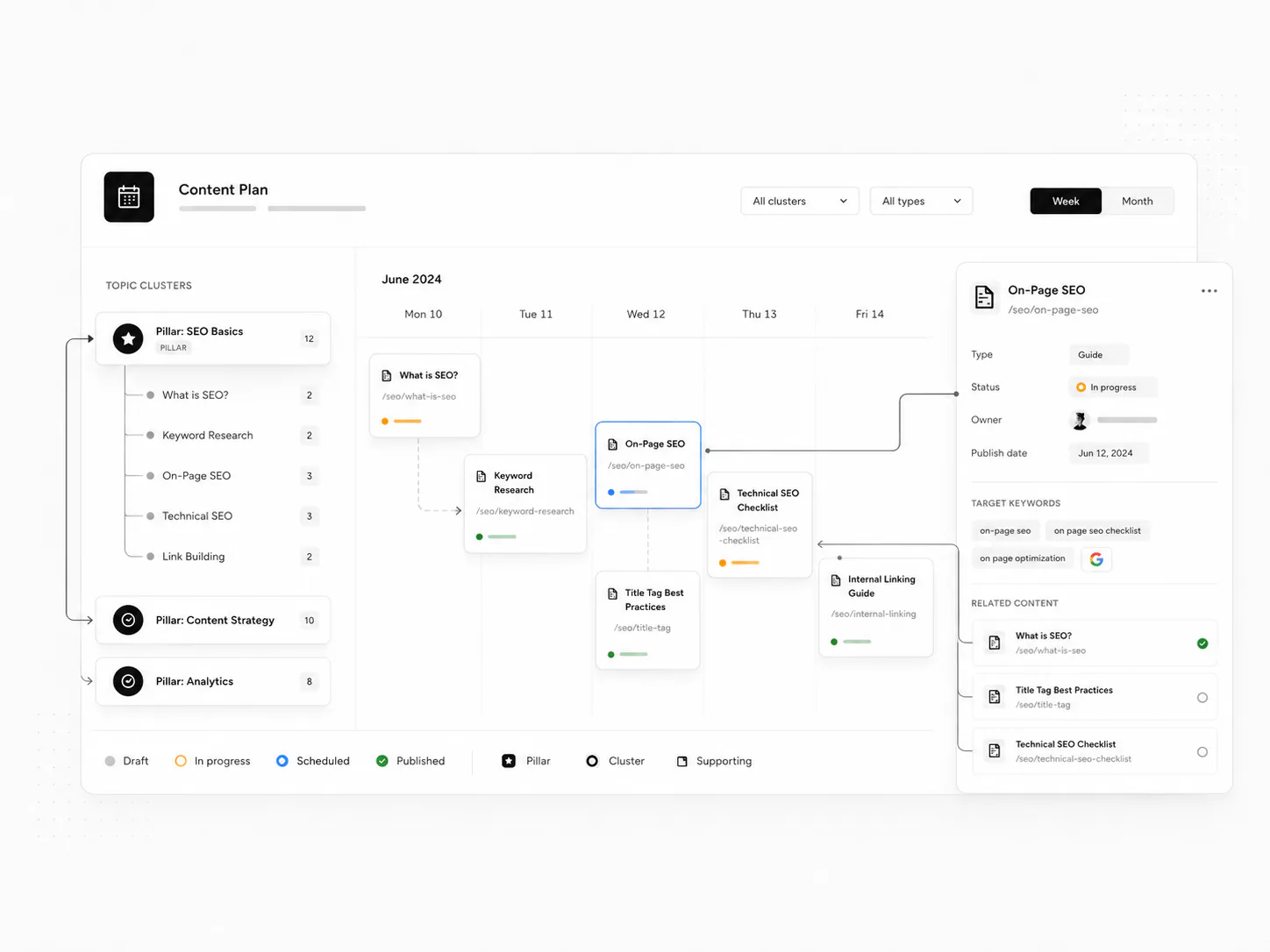
Content planning works better when search demand, existing coverage, business priorities, and gaps are viewed together. The result should be a reason to create a page, not simply another topic for the calendar.
Internal linking
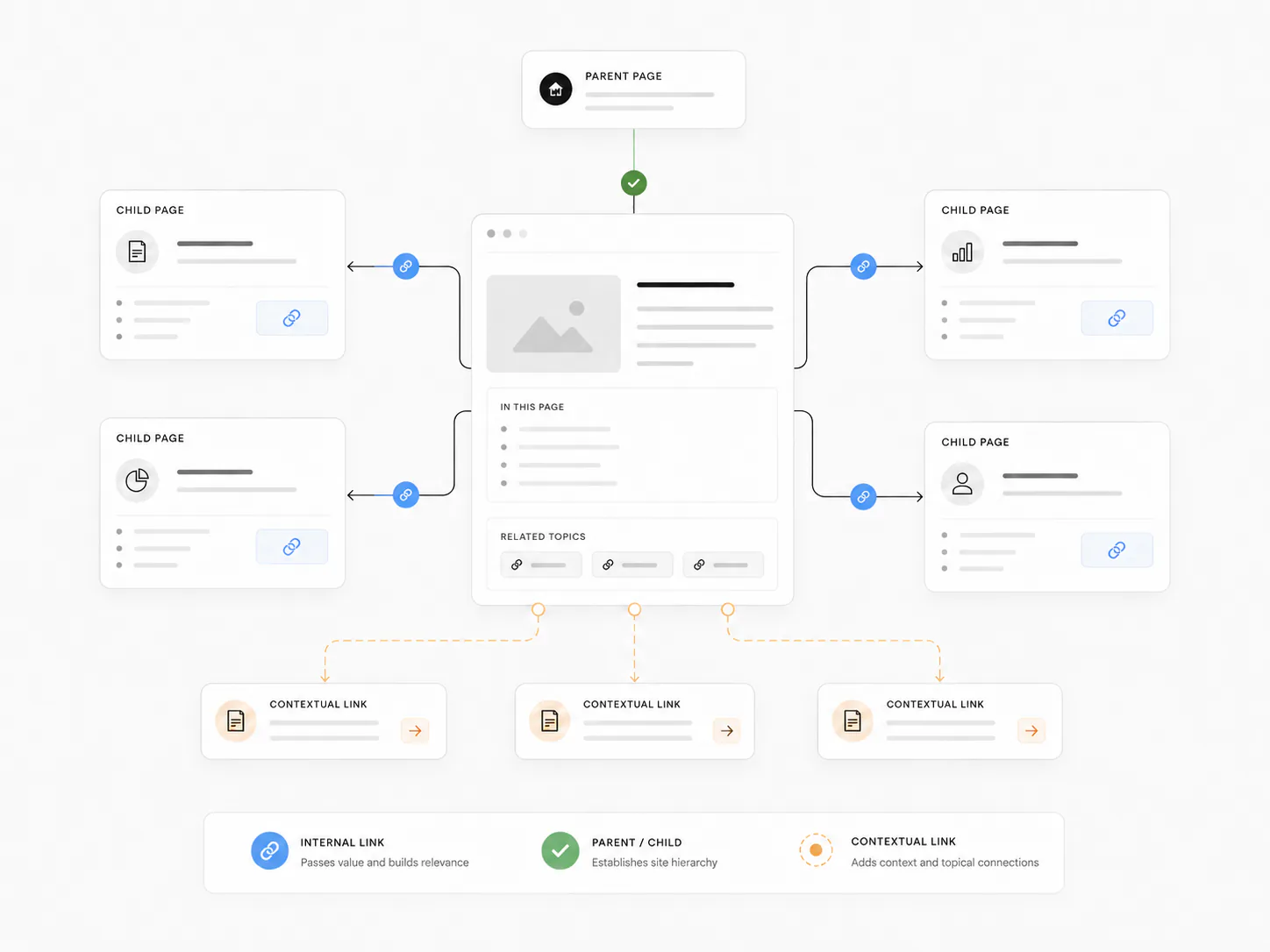
Internal links connect related ideas and help important pages receive context and authority. The repeated work is finding useful opportunities without adding links that exist only for SEO.
Search performance
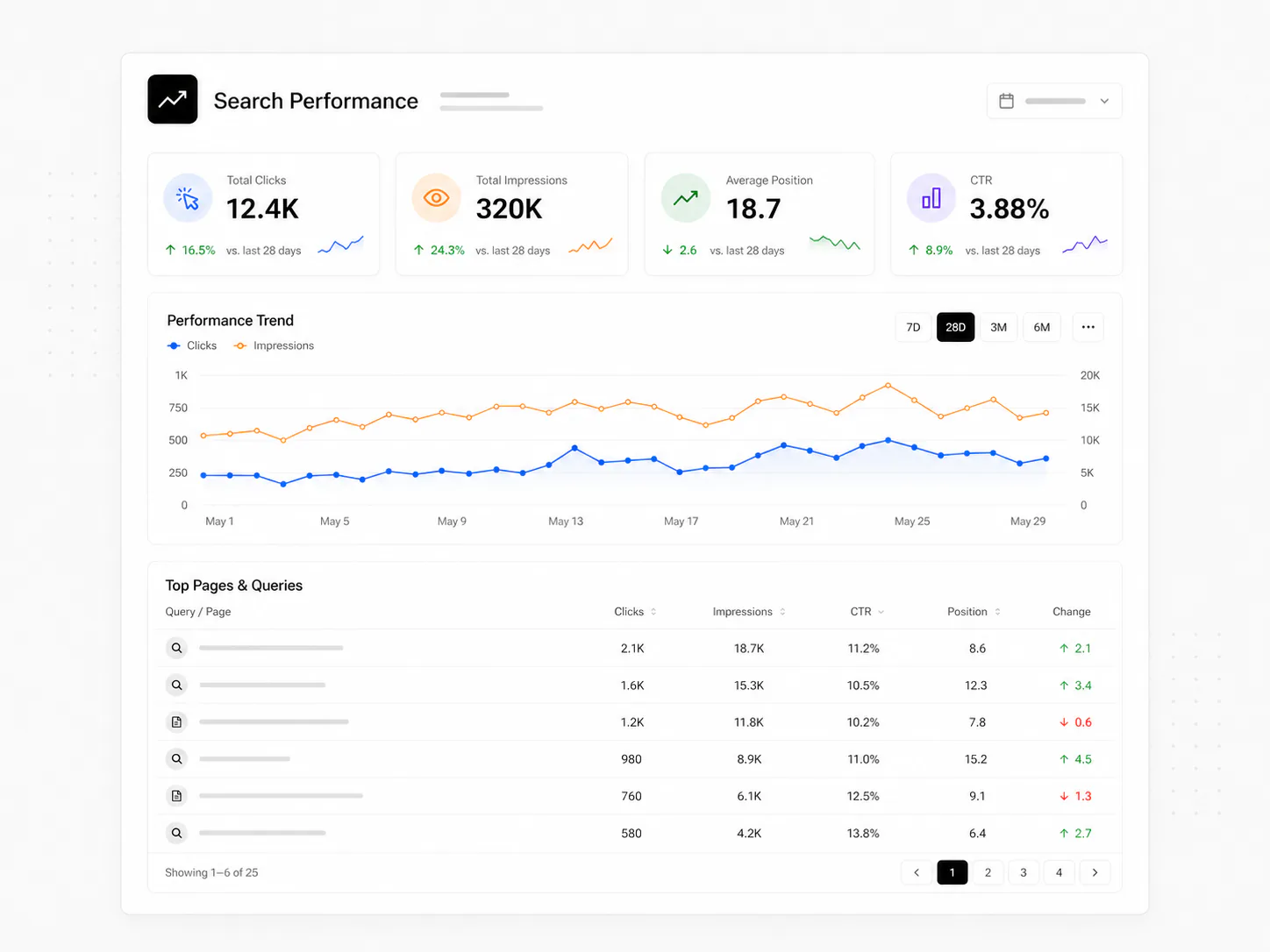
Search Console data becomes useful when clicks, impressions, CTR, position, queries, and pages are compared over time. The point is to notice change and decide what deserves investigation next.
Local visibility
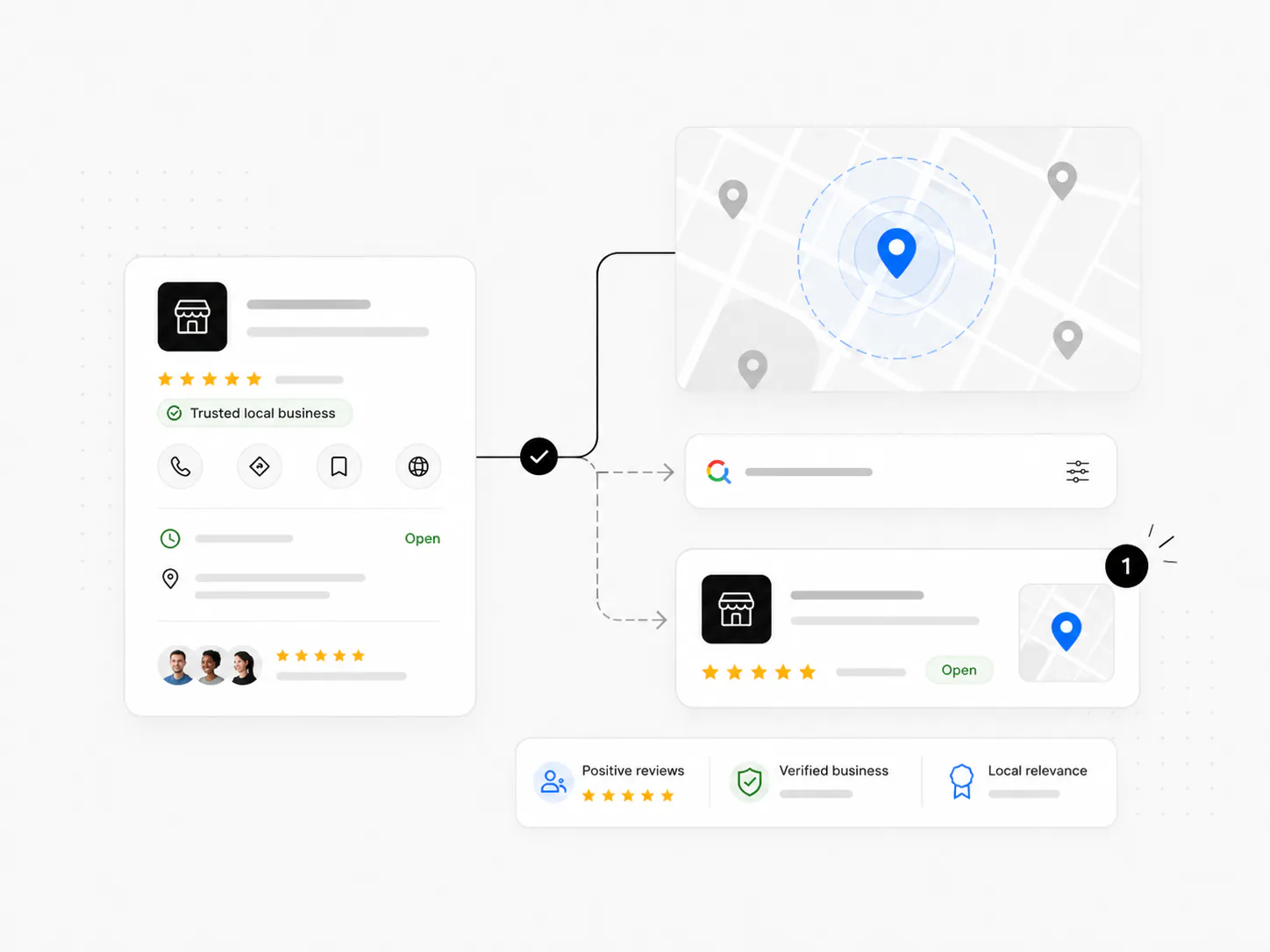
For local businesses, search is also maps, business profiles, reviews, services, locations, and consistent business information. Those signals need their own operating rhythm rather than being treated as ordinary website SEO.
Authority
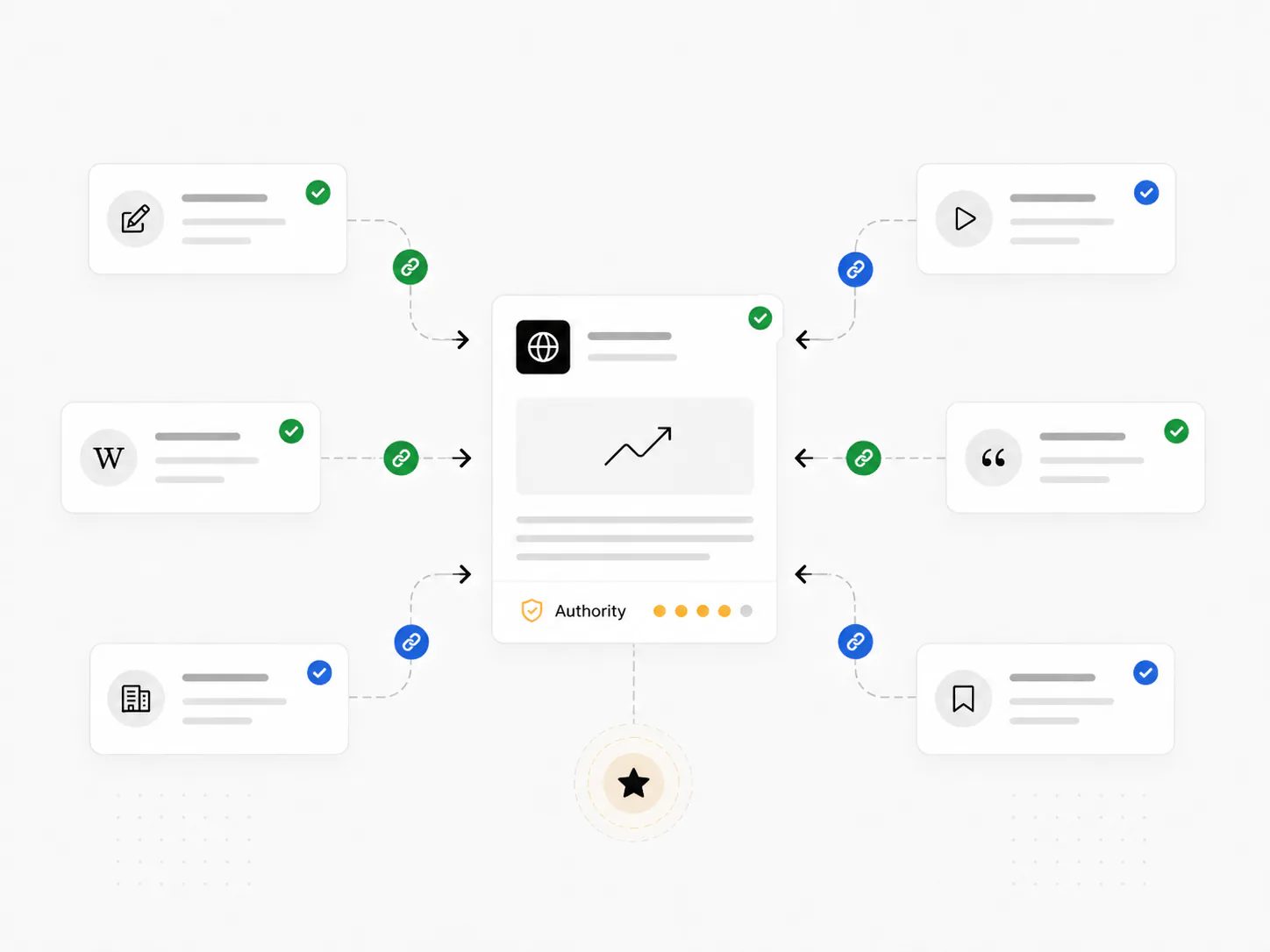
Backlinks matter most when they come from relevant places and support real authority. Monitoring links, lost links, mentions, and opportunities can be automated; earning something worth linking to cannot.
AI search visibility
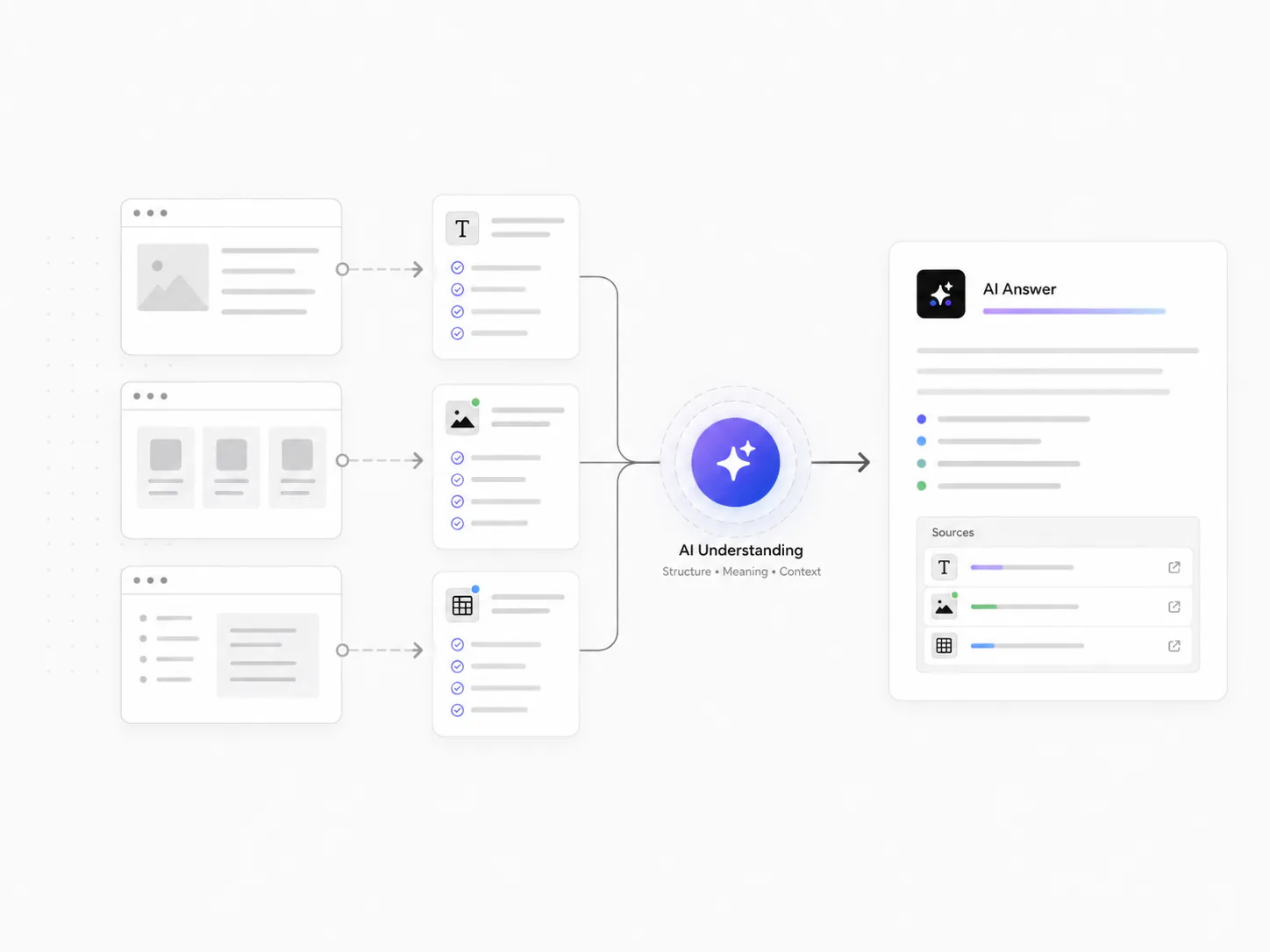
Search now includes systems that summarize and cite information, not only ten blue links. Clear entities, useful source material, structured pages, and consistent facts make the site easier for both search engines and AI systems to understand.
Common AI SEO automation workflows
Useful workflows include query-to-page monitoring, technical checks, internal-link opportunities, content-gap review, CTR alerts, ranking changes, and Search Console reporting. The automation finds and organizes the signal; a person still decides what the page should do next.
Evidence from real work
My SEO experience predates the automation work. In a 2021 local SEO campaign for an Augusta towing business, I worked on Google Business Profile optimization, on-page SEO, local citations, directory coverage, off-page authority, and ranking checks. The case study uses archived map-grid, local-result, and authority screenshots instead of relying on unverified claims.
SEO automation should make human decisions better
SEO automation is useful when recurring checks consume time: query shifts, coverage changes, duplicate landing pages, internal-link opportunities, technical regressions and reporting. It should not produce dozens of low-value pages because a keyword tool found variants. Editorial judgment, original evidence and page usefulness remain separate from scheduling and data collection.
How decisions are made
Prioritize queries and pages, not automated publishing volume
Create a query-to-canonical-page map before drafting. Group terms by what the searcher wants to do, and decide whether a service page, case study or guide is the correct answer. When two URLs compete for the same purpose, strengthen one rather than multiplying near-duplicates.
Collect Search Console clicks, impressions, CTR and position by query and page using settled data. Review visibility by relevant country or device when appropriate; beware of incomplete query rows and day-to-day reporting lag.
Maintain a change log linking SEO interventions to affected pages. A ranking change after publication is not proof that a single internal link or content edit caused it; compare with sitewide movement and seasonality.
Worked-through scenario
Example: two pages appear for the same service query
A service page and a blog guide both begin gaining impressions for a consultant query, but neither receives meaningful clicks. Automatically creating a third keyword page would add another competing destination.
01
Inspect intent
Check which URL answers the hiring question and which explains the process. Compare their headings, on-page examples, links and canonical signals.
02
Consolidate purpose
Strengthen the service page with process, deliverables and relevant case evidence; make the guide instructional and link it to the hiring page using a descriptive anchor.
03
Validate technical signals
Check page status, indexability, sitemap inclusion, canonical consistency and internal-link destination after the changes are published.
04
Monitor without overreacting
Compare settled query/page impressions, clicks and positions after Google has recrawled, documenting what changed instead of declaring a win immediately.
What I would test: Validate missing dates in exports, hidden low-volume queries, URL parameters, redirects with incorrect targets, broken internal links, template-generated duplicate titles and published pages with unsupported performance claims.
Illustrative implementation walkthrough, not a claim of an additional completed client project.
Scope and acceptance
What a delivery scope should include
- A keyword-intent and canonical-page map across services, guides and portfolio proof.
- A recurring audit for technical checks, internal links, query changes and content maintenance.
- An intervention log with SEO metrics, caveats and an editorial review queue.
Track indexed useful pages, query-to-page clarity, non-branded impressions, qualified clicks and completed contact actions. More indexed URLs, a higher automated publishing count or a transient position spike is not success on its own.
Practical questions
Will automating SEO content publication improve rankings?
No publication schedule can guarantee rankings. The most useful automation finds monitoring gaps, technical regressions or internal-link opportunities and gives a reviewer the information needed to improve a genuinely helpful page. Generating near-identical pages for keyword variants can reduce clarity and usefulness.
What if two SEO pages start appearing for the same query?
Compare search intent and page usefulness first. If both answer exactly the same need, consolidate or clarify their roles and link to the preferred destination. Canonical markup can indicate a preference, but it does not make otherwise indistinguishable content more valuable.
Evidence and references
Contains archived local search and citation evidence. It supports SEO experience but is not portrayed as proof that every proposed automation was deployed there.
Technical documentation: Google Search Console API documentation and data limitations. Platform features, eligibility, and limits can change.